Structural Rehab Guide
Structural Rehab Guide
Couldn't load pickup availability
Structural Rehab
A Principles-Based Guide to Musculoskeletal Injury, Healing, and Rehabilitation
Structural Rehab is an in-depth educational resource designed to help you truly understand how and why musculoskeletal injuries occur — and how rehabilitation works at a tissue level.
Rather than memorising endless injury-specific protocols, this guide takes a structure-based approach, organising rehabilitation around tissue type (muscle, tendon, ligament, joint, bone, neural tissue) and the biological principles that govern healing and adaptation.
By focusing on first principles — load, capacity, tissue behaviour, and healing stages — Structural Rehab equips you with a framework you can apply across any injury, any body part, and any population.
What This Guide Covers
-
Muscle & tendon injuries (strains, tendinopathy, load tolerance)
-
Ligament & joint injuries (sprains, instability, osteoarthritis)
-
Bone injuries (fractures, stress fractures, healing timelines)
-
Overuse injuries and load-related breakdown
-
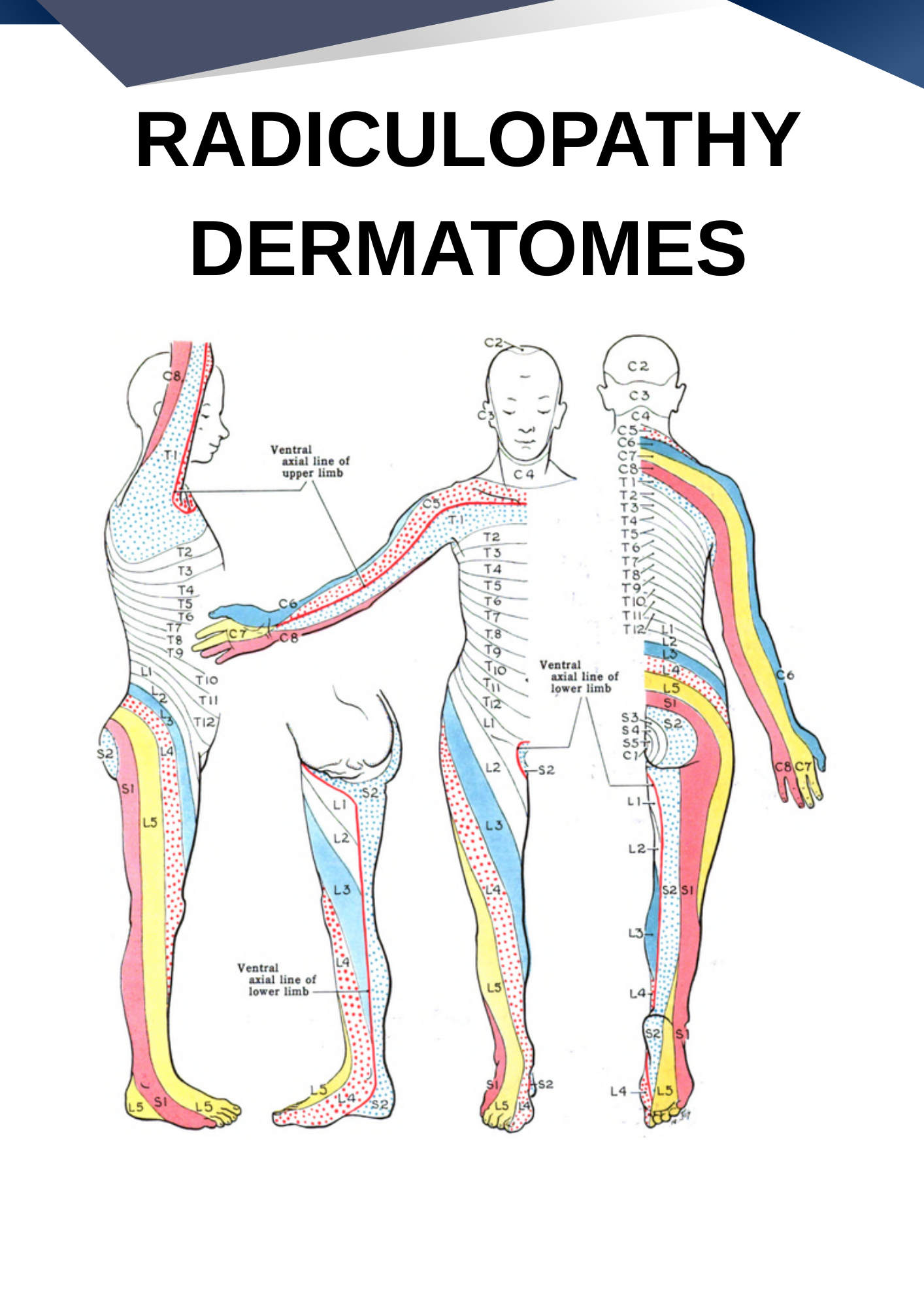
Neural tissue conditions (radiculopathy, peripheral nerve injuries)
-
Non-specific pain (neck pain, low back pain, general MSK pain)
-
Tissue healing stages (inflammation, proliferation, remodelling)
-
Red flags and when referral or further investigation is required
Each section explains:
-
Typical injury mechanisms
-
Key signs and symptoms
-
Underlying pathophysiology
-
General rehabilitation timelines
-
Practical clinical considerations
This is not a prescriptive exercise manual — it’s a thinking framework that improves reasoning, communication, and decision-making in real-world rehab and training settings.
Who This Is For
-
Physiotherapy & sports therapy students
-
Qualified physiotherapists and clinicians
-
Strength & conditioning coaches & personal trainers
-
Medical and allied health professionals
-
Anyone seeking a clear, non-alarmist, evidence-informed understanding of injury and rehabilitation
Why Structural Rehab Is Different
Most rehab resources focus on what to do.
This guide focuses on why you’re doing it.
By understanding how tissues respond to load and heal over time, you can:
-
Adapt protocols intelligently
-
Handle non-textbook presentations with confidence
-
Avoid rigid, algorithmic rehab thinking
-
Communicate injury concepts clearly to patients or clients
Rehabilitation becomes logical, transferable, and individual-centred — not overwhelming or protocol-driven.
About the Author
Written by Tom Woodham, a qualified Physiotherapist with First-Class Honours, alongside Level 4 Strength & Conditioning and Level 3 Personal Training qualifications.
With over 1,000 clinical hours in the NHS, experience across musculoskeletal, neurological, and critical care settings, and work within elite sport environments, this guide reflects a blend of academic rigour, clinical reasoning, and applied movement science.
Important Note
This guide is for educational use only.
It does not replace professional assessment, diagnosis, or treatment.
Share